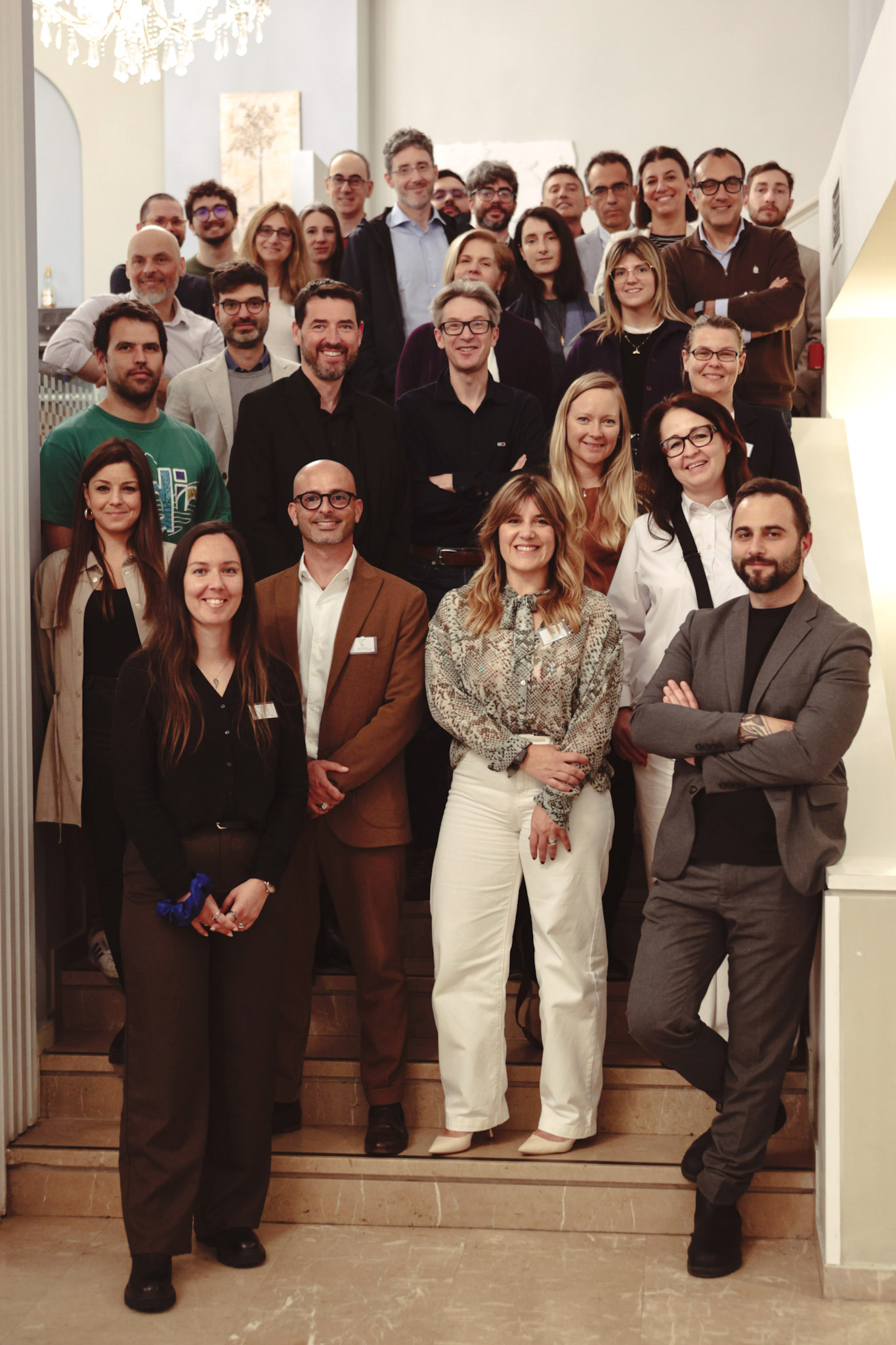
What if health could be understood not as a set of isolated variables, but as the result of a complex system of exposures, behaviours and biological responses?
This question guided the opening day of the MISTRAL 4th Annual Meeting in Athens, where the Spring School brought together researchers and experts to explore how environmental, nutritional and molecular determinants interact across the life course.


The day unfolded as a progressive deepening of this complexity.
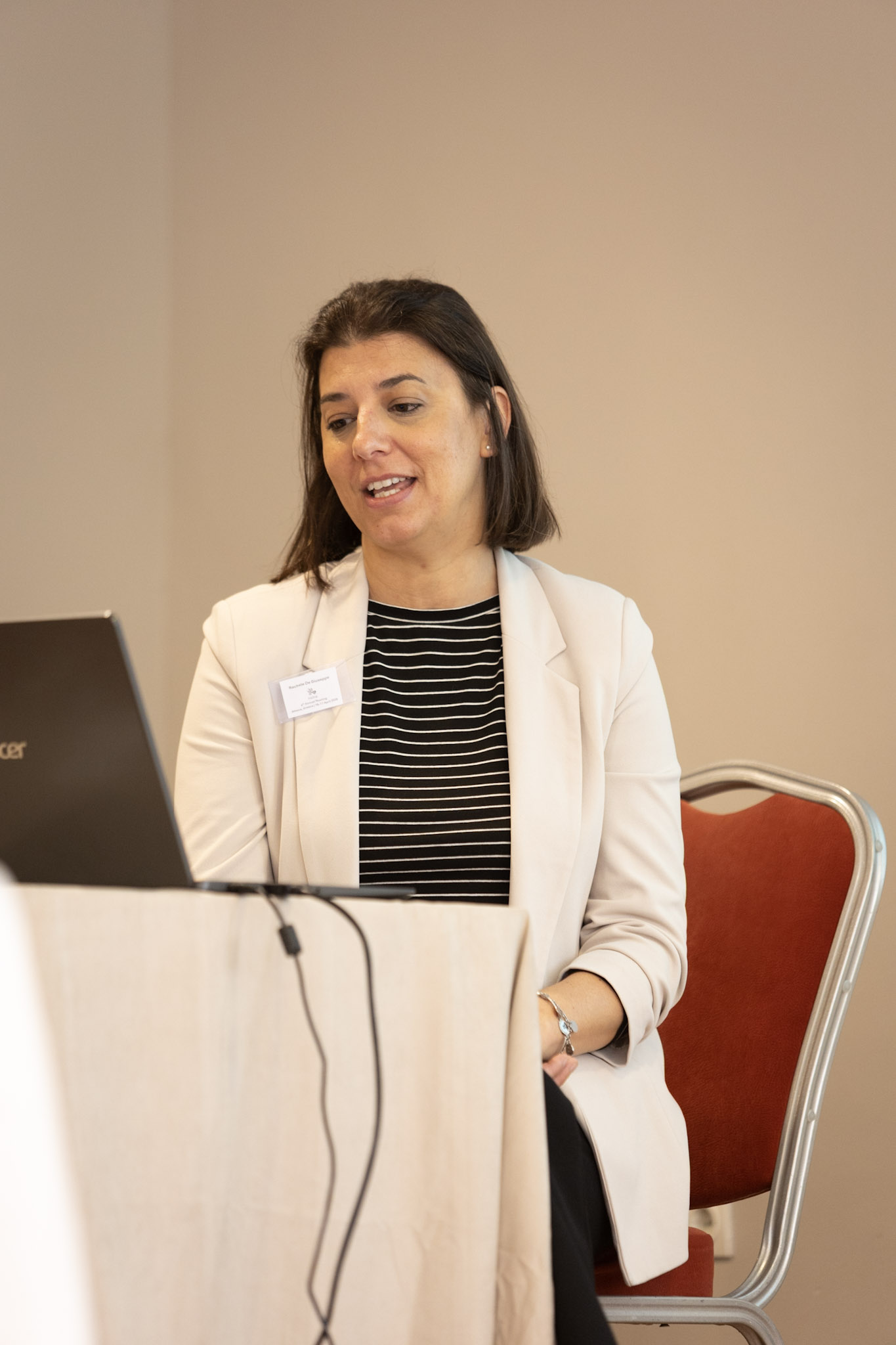
Rachele De Giuseppe introduced the exposome framework, highlighting the importance of early-life exposures in shaping long-term health trajectories and emphasising the role of environmental and nutritional factors in the earliest phases of life.
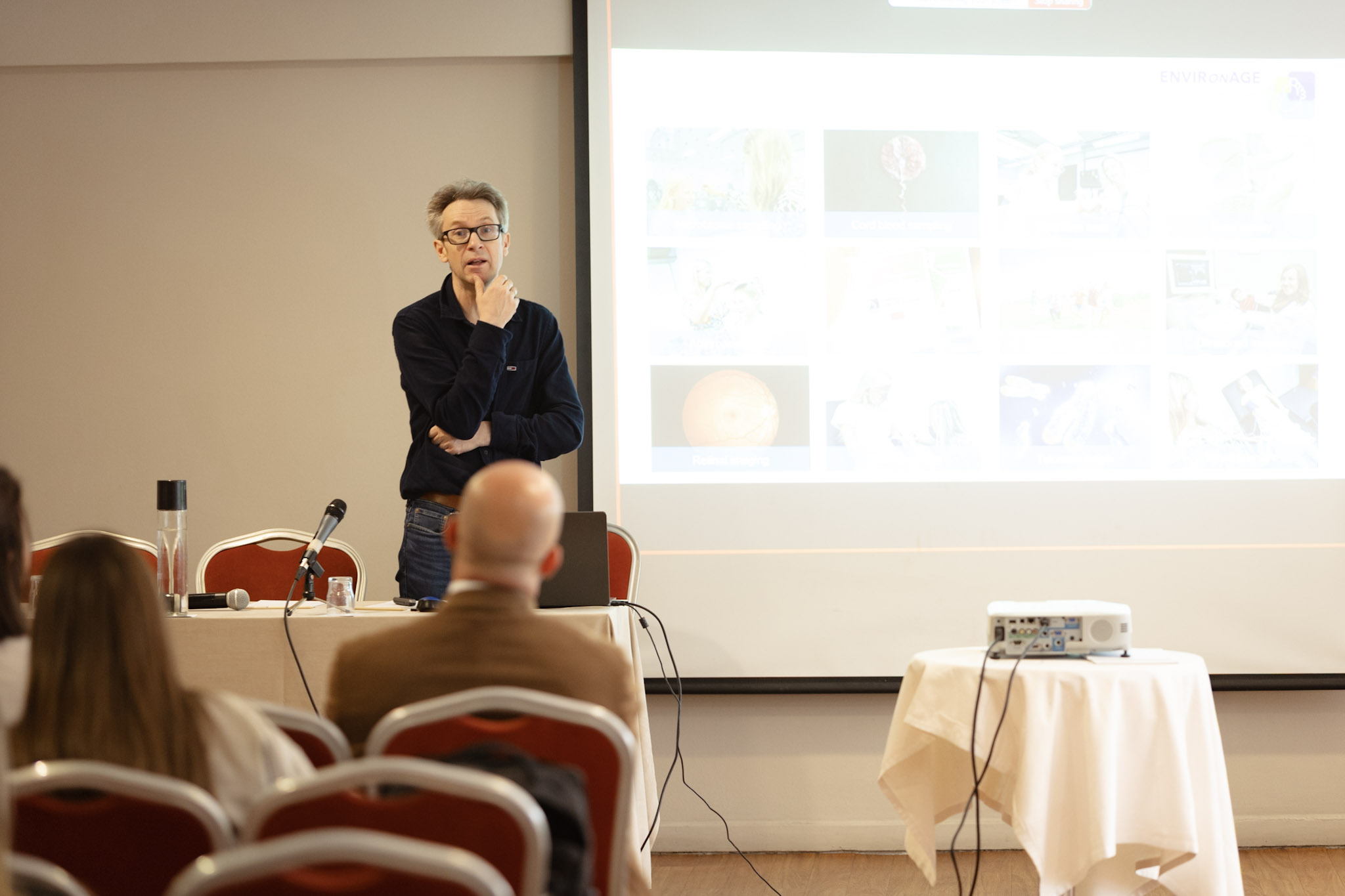
Building on this perspective, Masoud Isanejad focused on the contribution of metabolomics, presenting it as a key tool to capture how dietary patterns and lifestyle choices are translated into measurable biological signatures. His intervention highlighted the potential of moving beyond self-reported data towards more objective indicators.
Tim Nawrot further extended the discussion by linking environmental exposures to molecular ageing processes, showing how early-life conditions can leave lasting biological imprints that influence long-term health outcomes.
Rodolfo Sardone connected these perspectives by focusing on environmental metabolomics, illustrating how pollutants can induce systemic metabolic changes, while also highlighting the role of lifestyle in modulating these effects and opening pathways for intervention.
At this point, the Spring School shifted from knowledge sharing to collective construction.

Participants engaged in a dedicated co-creation session, where the scientific insights discussed throughout the morning were translated into initial building blocks for a One Health Standard Operating Procedure (SOP). The discussion focused on identifying:
- core domains to be integrated (environmental, nutritional, molecular and behavioural)
- measurable and scalable indicators
- priorities for data standardisation and integration
This moment marked a key transition: from understanding complexity to structuring it into actionable components.
The outcomes of the co-creation session fed directly into the closing keynote by Androniki Naska, who brought the discussion to an operational level by emphasising the importance of harmonisation and standardisation.
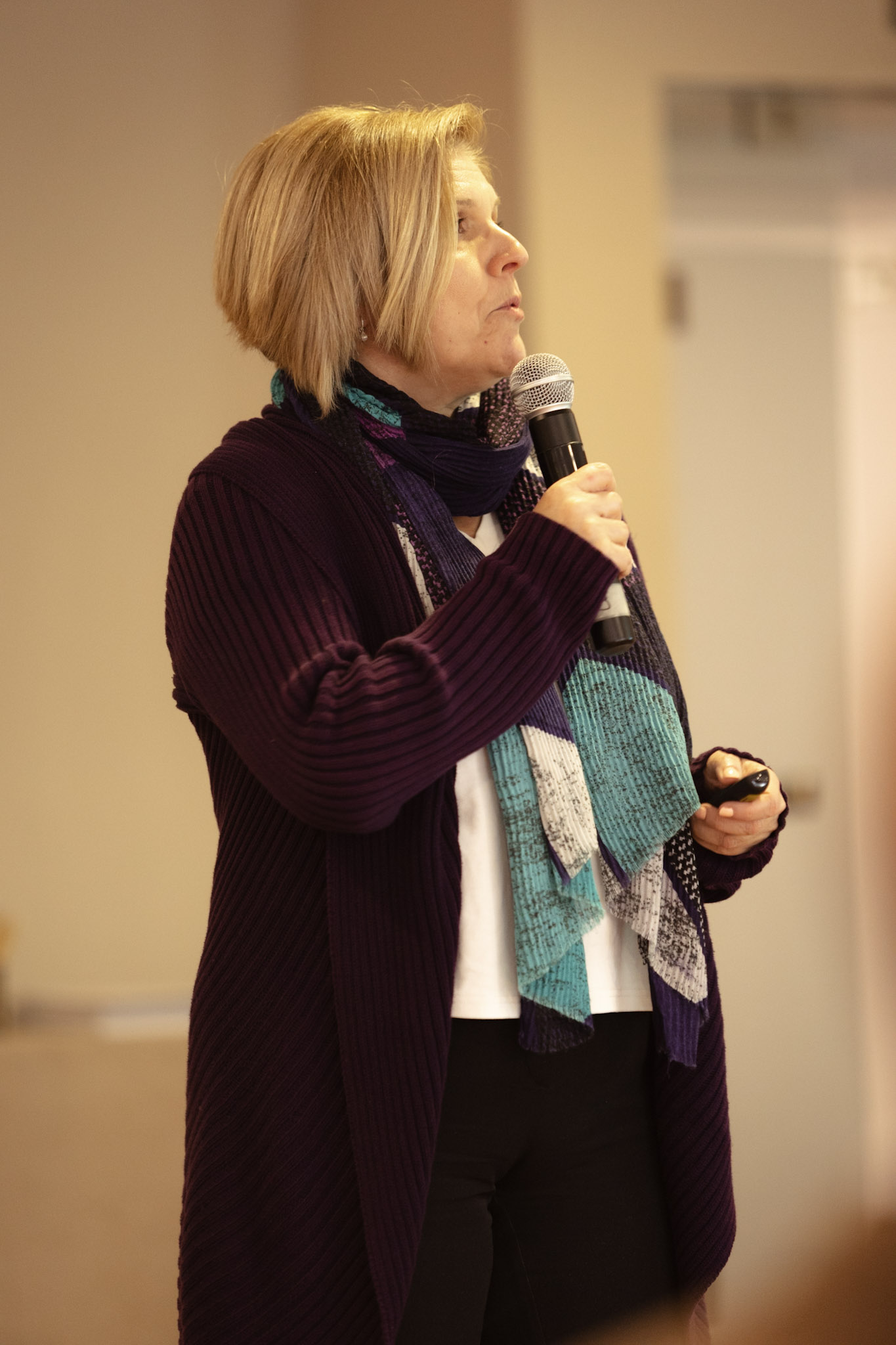
“Without harmonised data, we cannot compare, and without comparability, we cannot act.”
Her intervention reinforced the need to align methodologies, ensure interoperability and connect different data sources — from dietary and environmental data to molecular and real-world information.
The final discussion expanded the scope further, highlighting the importance of integrating quantitative and qualitative approaches to better understand behaviour, perception and context.
By the end of the day, a shared understanding had emerged: advancing a One Health approach requires not only generating knowledge, but ensuring its integration, usability and relevance for real-world decision-making.
The foundations were set.
The next step would be to bring this knowledge into dialogue with institutions — and explore how it can shape policy and practice.