
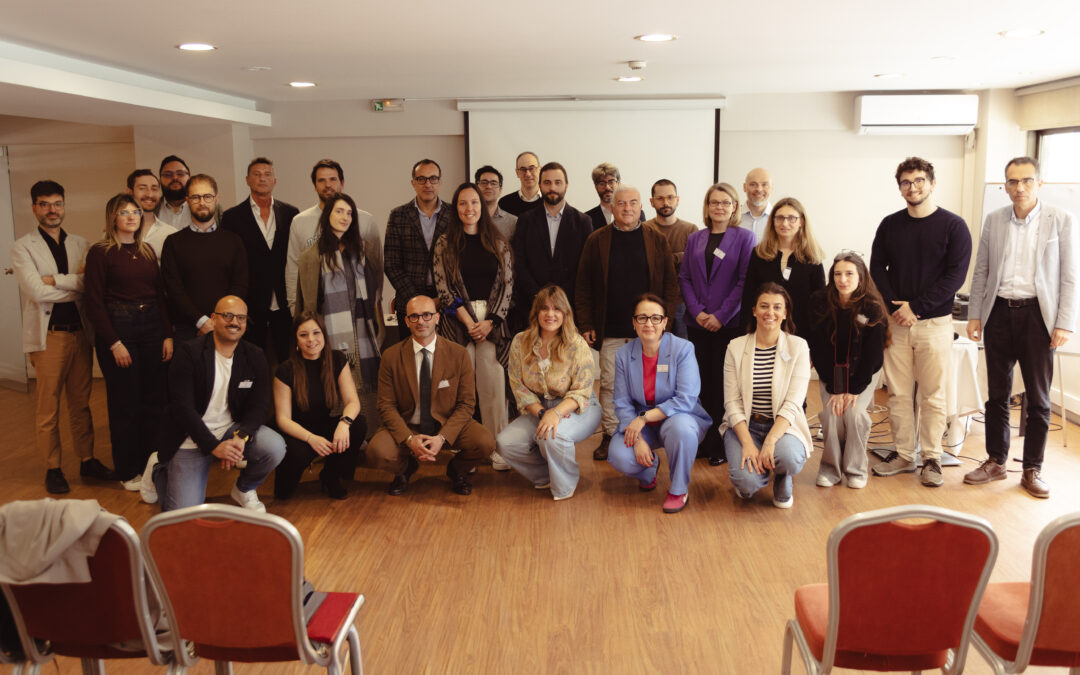
The second day of the MISTRAL 4th Annual Meeting marked a decisive shift — from understanding complexity to exploring how it can be translated into action.
Under the theme “From Innovation to Policy”, the programme opened with the presentation of key MISTRAL innovations, showcasing integrated approaches that combine environmental, lifestyle and health data to support more informed and forward-looking decision-making.
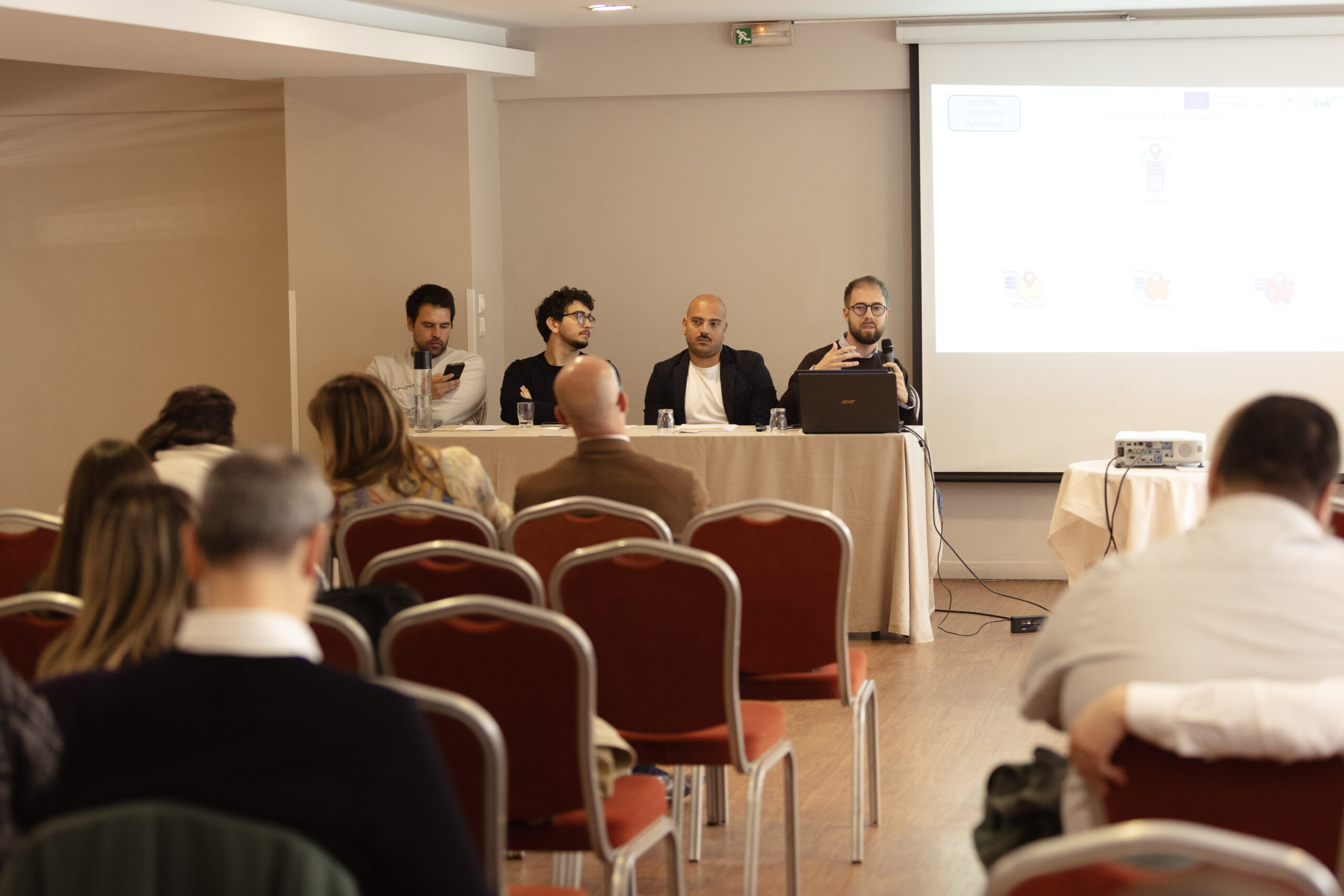
Fabio Stefano Castellana (Local Health Authority of Taranto) presented advances in the integration of digital tools into epidemiology, highlighting how data-driven approaches can enhance the assessment of health impacts in complex environments. Alessandro Fania (University of Bari, Department of Physics) focused on environmental modelling, illustrating how advanced techniques can support the interpretation of exposure data across spatial and temporal scales. Domenico Lofù and Paolo Sorino (Polytechnic University of Bari) introduced the concept of the MISTRAL Nexus, emphasizing the importance of connecting environmental, health and socio-economic dimensions within a unified analytical framework.
These contributions set the stage for an institutional dialogue bringing together representatives from local authorities and stakeholders across different European contexts, including Feliciana Catino, Project Officer at the Municipality of Taranto (Italy), Sylwia Brzezicka-Tesarczyk, Director of the Centre for Sustainable Urban Management at the City Hall of Rybnik, and Emil Nagalewski, Coordinator of the Polish Smog Alert in Silesia (Poland), as well as Patrick De Boever, Former Director for Research, Innovation and Valorization at Antwerp University Hospital (Belgium). The discussion focused on how such innovations can effectively support governance, policy design and long-term sustainability.
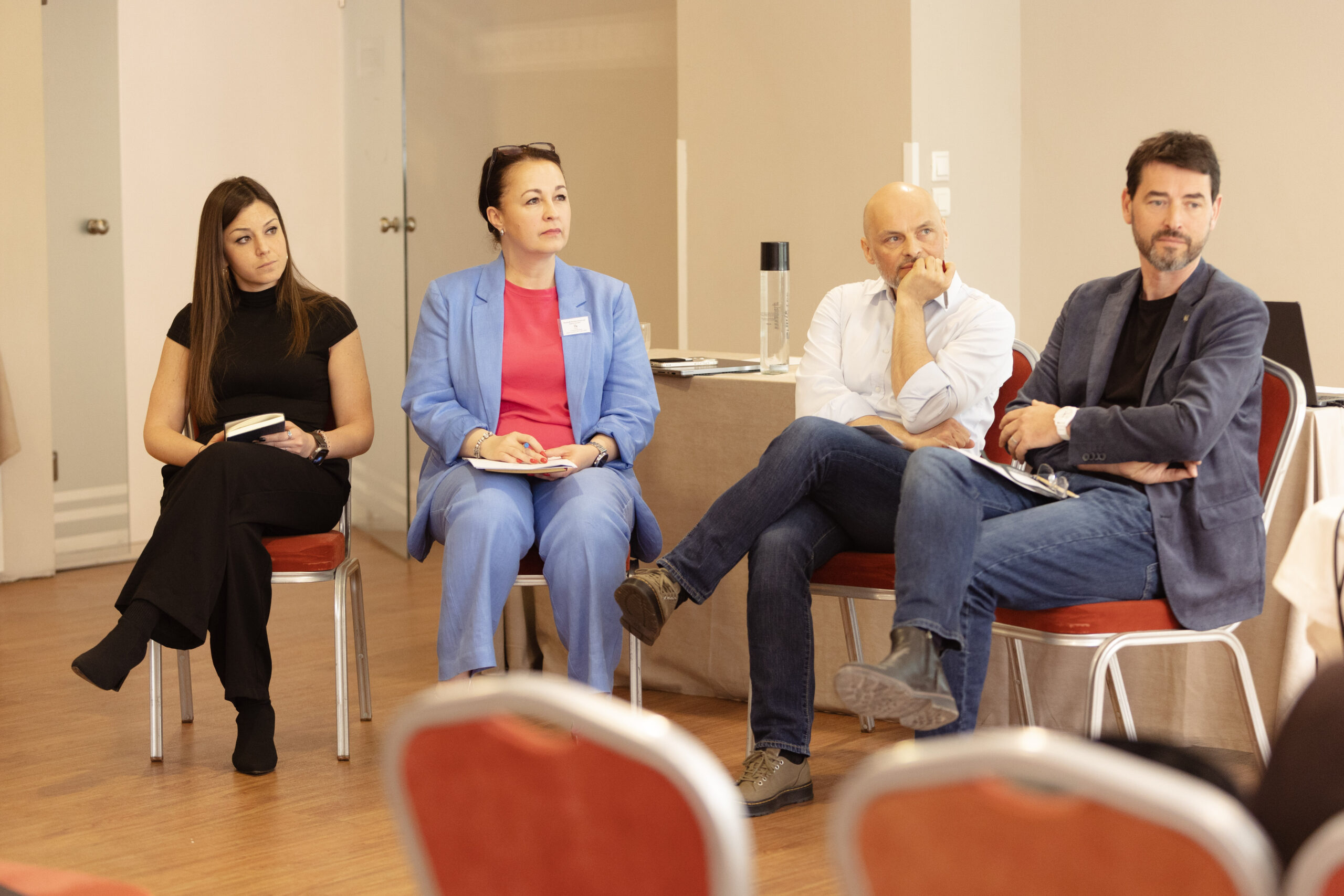
Across the different interventions, a number of converging themes emerged.
A first key insight concerned the need to bridge the gap between data and action. While scientific tools are becoming increasingly sophisticated, their real impact depends on their ability to be translated into usable, accessible and policy-relevant insights.
A second theme addressed the relationship between individual responsibility and structural constraints. Participants highlighted that, although citizens are encouraged to adopt healthier behaviours, these choices are often shaped — and limited — by environmental, social and economic conditions. This led to a shared reflection on the importance of creating enabling environments, rather than placing responsibility solely on individuals.
A third dimension focused on the need for a systems perspective on health. Contributions emphasised that health outcomes are influenced not only by healthcare services, but also by broader determinants such as housing, mobility, energy and socio-economic conditions, calling for more integrated and cross-sectoral approaches.
Within this broader framework, the role of citizen engagement emerged as a central element. Participants stressed that increasing awareness is essential but must be accompanied by concrete opportunities for action — particularly by involving younger generations as active contributors to change.
In this context, a shared pathway for implementation was identified in the development of urban living labs — environments where research, policy and communities can interact, co-create solutions and test innovative approaches in real-world settings.
The contribution of the City of Athens, represented by Nikos Chrysogelos, provided a tangible example of how these principles can be applied at the local level. Drawing on ongoing initiatives aligned with the objectives of MISTRAL, he emphasised the importance of connecting policy, community engagement and behavioural change.
“People — especially young people — must be part of the change, not just beneficiaries of it.”
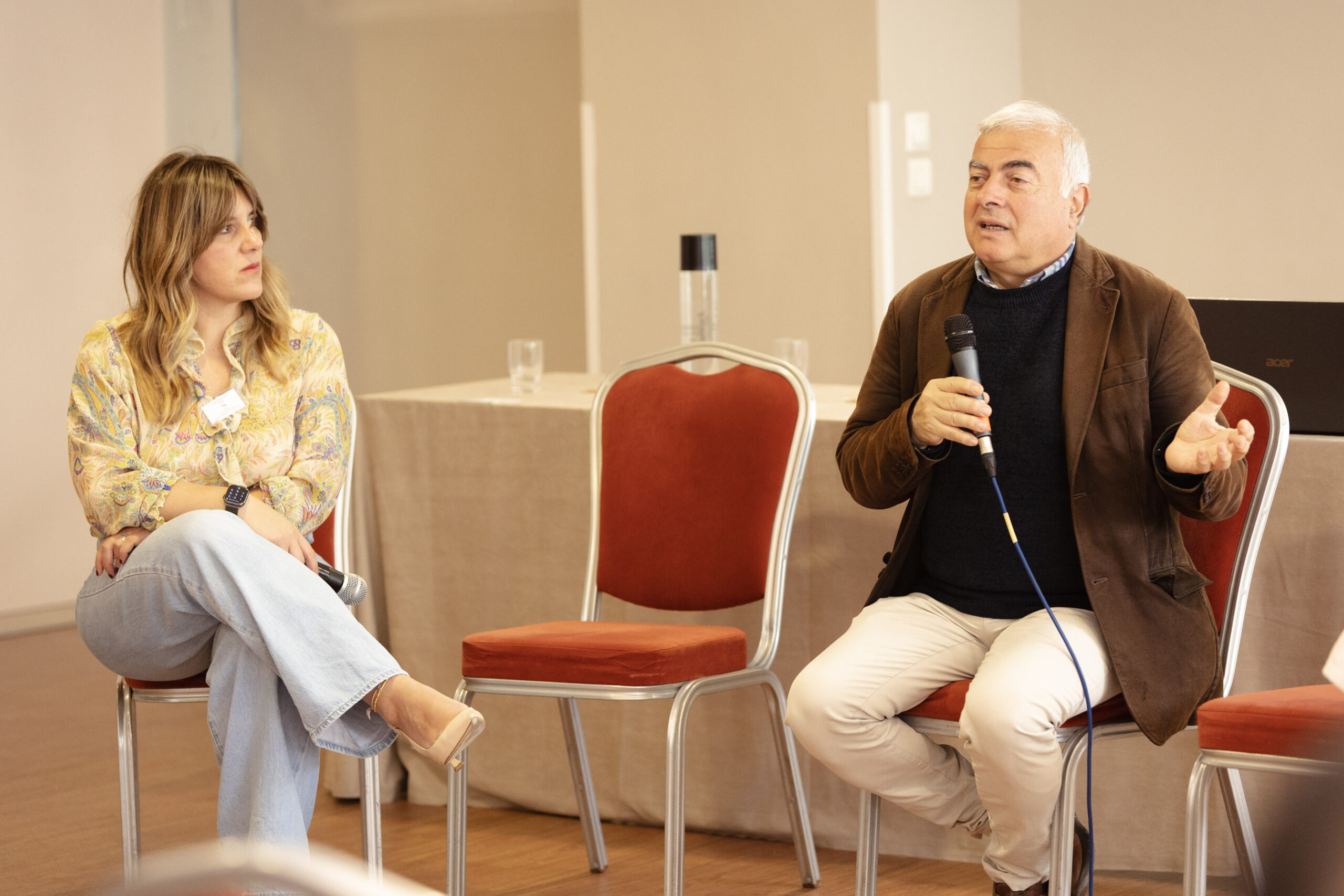

Additional contributions from stakeholders across Italy, Poland and Belgium further enriched the discussion, reinforcing the relevance of these challenges across different European contexts and highlighting the importance of collaboration and shared responsibility.
The day concluded with a clear direction: addressing complex health challenges requires moving beyond fragmented approaches and embracing a systemic, integrated and participatory model, capable of connecting science, policy and society.
In this context, MISTRAL is positioning itself not only as a research initiative, but as a platform for enabling this transition — bridging data, behaviour and governance to support healthier and more sustainable communities.