
A Community-Centric Research to Address Health Impacts of Urban Pollution in Industrial Areas in 3 cities in Italy, Belgium and Poland
Taranto, June 30, 2024. Six months into the recruitment phase for the ZEPHYR Study, the MISTRAL Project is rapidly advancing research on the health and socio-economic impacts of urban industrial pollution across Europe. With a focus on 3,648 participants from Taranto in Italy, Hasselt/Genk in Belgium, and Rybnik in Poland, this cross-national study aims to bridge knowledge gaps about how pollution in urban industrial settings affects communities. The MISTRAL Project, funded by Horizon Europe, is pioneering a next-generation web-based platform complete with an immersive visualization dashboard, which integrates comprehensive health impact assessment (HIA) tools. This platform provides case studies, deterministic data, and AI-driven predictive models that simulate intervention scenarios, enabling policymakers to proactively shape health protection policies.
The ZEPHYR Study, a key element of MISTRAL, seeks to collect a wealth of lifestyle, health, and socioeconomic data from participants in Italy, Belgium, and Poland. By leveraging advanced machine learning techniques, ZEPHYR’s researchers aim to create multidimensional risk scores to predict Quality-Adjusted Life Years (QALY) and measure black carbon concentration—a key pollutant—in urine samples. Participant enrolment began in Taranto’s Tamburi neighbourhood in February 2024, expanded to Hasselt/Genk in April, drawing from the ongoing ENVIRONAGE birth cohort study, and extended to Rybnik in June. Teams of skilled researchers, nurses, and physicians have been administering health assessments and questionnaires, collecting invaluable primary data.
Community Engagement: An Essential Pillar for Research Success
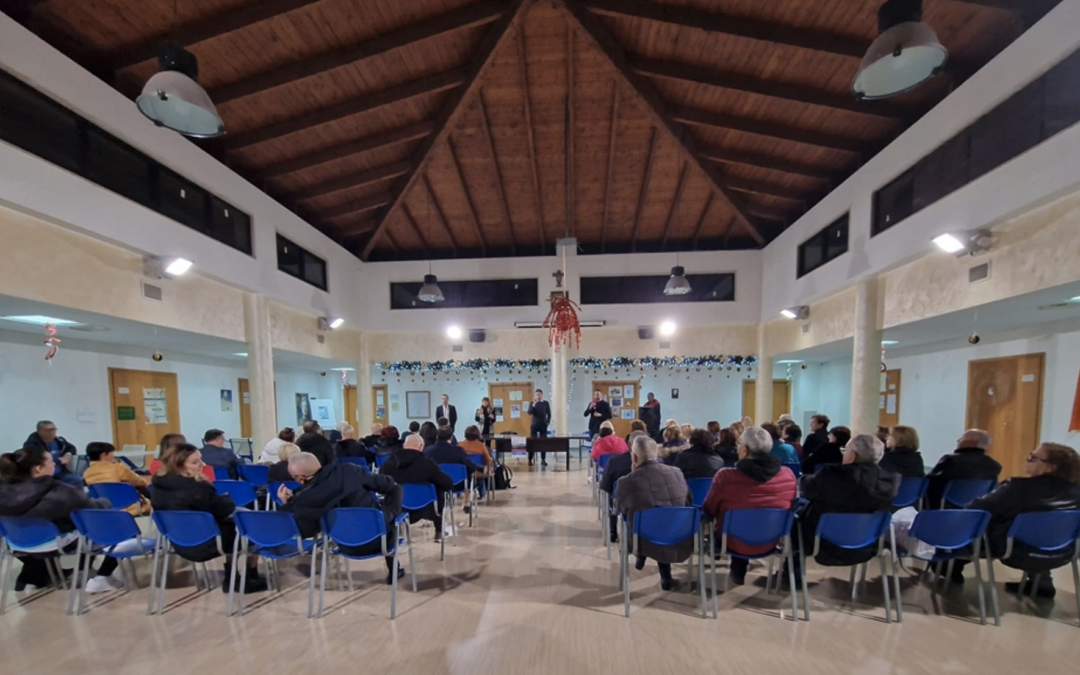
At the heart of the MISTRAL Project lies a commitment to meaningful community engagement. In Taranto, the project’s outreach is being led by a collaborative team from the University of Oxford, APS PLANET, and the Local Health Authority of Taranto. With over two years of ethnographic research in the Tamburi neighbourhood, the team has delved deeply into the community’s social and environmental context, utilizing participant observation, in-depth interviews, and participatory approaches. Their findings have underscored both a critical challenge—community fatigue over pollution studies and resignation to pollution—and an opportunity: the resilient, tightly knit social networks within Tamburi.
This dedicated engagement has led to promising recruitment results thus far. Residents, inspired by targeted micro-engagement events, have responded with enthusiasm, supporting MISTRAL’s mission to uncover the impacts of pollution and contribute to sustainable policy solutions. Further engagement events are scheduled throughout 2024, as the MISTRAL Project and ZEPHYR Study work to foster a lasting partnership between science and the communities affected.
As part of the recent community health initiative, residents expressed their appreciation for the project’s impact on their well-being. Vitti Anna Maria, a resident from the neighbourhood, shared her gratitude for the initiative, highlighting the value of the free health assessments and personalized support provided by the research team. She remarked:
“Thank you for carrying out this project. Finally, for those of us living in this neighbourhood, there has been an initiative focused on health, with free tests and questionnaires to assess our well-being.
I want to thank all the researchers and organizers of the project who supported and guided us through every stage, from the sample collection to the final assessment.
I hope there will be more initiatives like this in the future.”
With this impactful research, MISTRAL and ZEPHYR are paving the way for innovation in public health policy, aiming to create healthier environments and stronger protections for residents in industrialized areas across Europe.
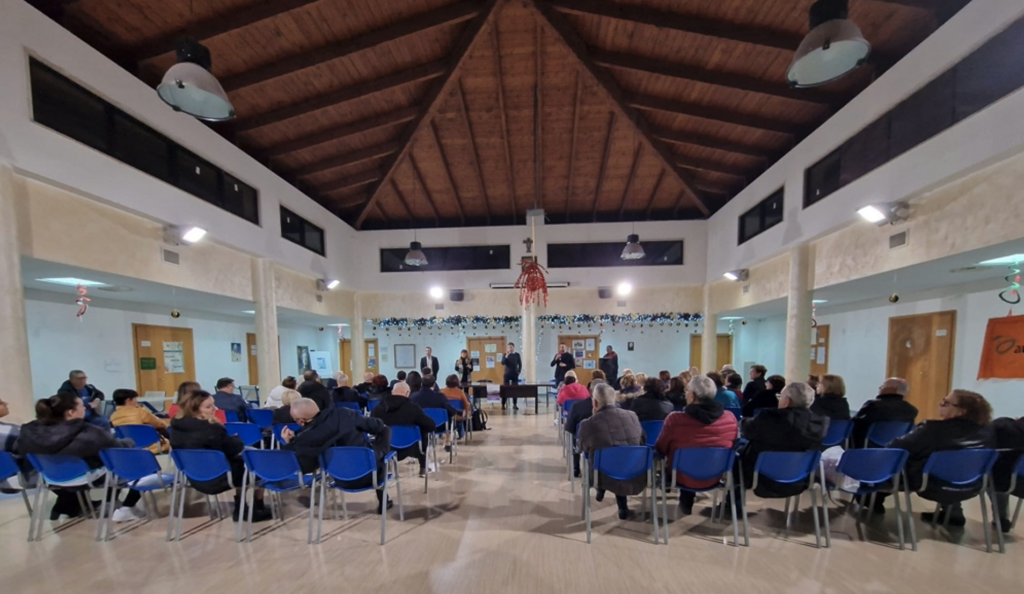
Community Engagement Event, December 2023 – Taranto (IT)